Category Archives: Concrete House Slabs

How to Maintain Concrete House Slabs in Sydney for Longevity?

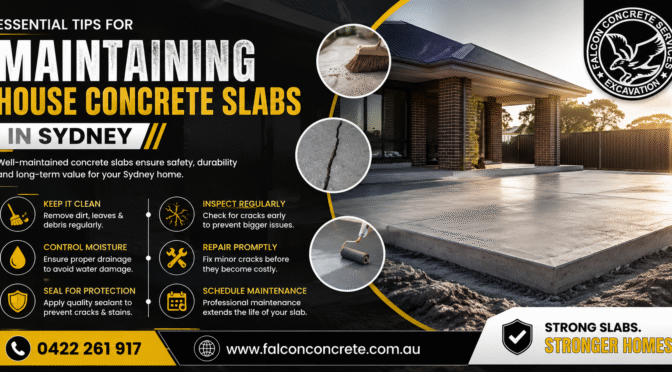
Owning a home means protecting its foundation from the ground up. For properties built using Concrete House Slabs Sydney, the battle against our harsh climate is constant. Proper care ensures these foundations remain strong against cracking and dampness for decades. This guide provides the essential steps for longevity, focusing on the specific needs of house concrete slab construction in Sydney.

Seal to Defeat Moisture Intrusion

Moisture is the primary enemy of any slab. In Sydney’s environment, waterproofing is non-negotiable for longevity.

  • Apply Penetrating Sealers: Use a high-quality reactive penetrating sealer. It strengthens the concrete from within.
  • Focus on the Perimeter: Seal the edges where the slab meets the garden. This blocks moisture ingress effectively.
  • Reapply Regularly: Reseal outdoor slabs every 2-3 years to maintain protection.

Control Cracking with Joints

Concrete naturally shrinks as it cures, leading to stress points. House concrete slab construction in Sydney relies on strategic joints to manage this.

  • Respect the Joints: Never drill or cut new joints into an existing slab without professional advice.
  • Monitor Joint Width: Check if existing construction joints are widening. This signals sub-grade movement.
  • Keep Joints Clean: Remove dirt and weeds to prevent pressure build-up that causes spalling.

Manage Drainage Relentlessly

Poor drainage is the fastest route to slab failure. Water pooling against the foundation leads to soil erosion and settlement.

  • Grade the Soil: Ensure the ground slopes away from the slab by at least 150mm.
  • Clean Gutters: Divert rainwater away to prevent overflow soaking the foundations.
  • Use Trench Drains: For paved areas adjacent to the slab, consider trench drains to capture surface water.

Routine Inspections and Cleaning

Consistent maintenance prevents minor issues from becoming major structural problems.

  • Look for Rust Stains: Rust indicates concrete cancer—steel reinforcement corroding inside the slab.
  • Check for Unevenness: Monitor for sinking or lifting sections, which pose a tripping hazard.
  • Use pH-Neutral Cleaners: Avoid harsh acids that etch the surface when washing the slab.
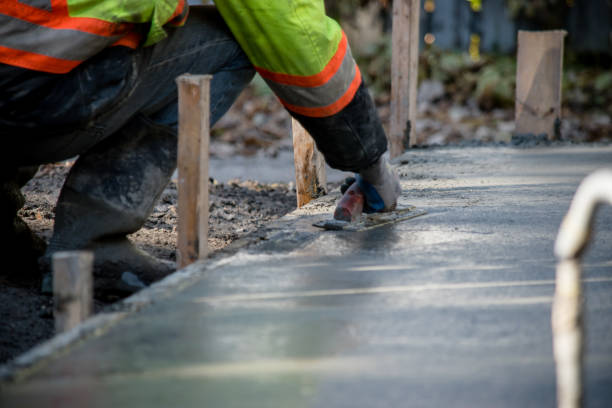
Contact  Falcon Concrete Services to ensure your concrete house slabs in Sydney remain durable for the long haul.

Professional Remedial Action

When damage appears, quick fixes often fail. Superficial patching traps moisture and accelerates decay.

  • Don’t Just Patch: A professional concrete house slab installation in Sydney expert will perform a breakout to remove unsound material.
  • Treat the Steel: Exposed rebar must be cleaned and primed to stop corrosion.
  • Get a Specification: Always demand a scope of work that details the remedial process.

Ensure Your Slab Stands Strong

Don’t wait for small cracks to turn into costly structural failures. Protect your property value by scheduling a professional assessment today. Contact  Falcon Concrete Services to ensure your concrete house slabs in Sydney remain durable for the long haul.

Don’t wait! Just call us at 0431 694 777 for a quick discussion!

Frequently Asked Questions (FAQs)

  1. How often should I seal my concrete house slab in Sydney?
    For exposed outdoor slabs, sealing every 2 to 3 years is recommended. Indoor polished slabs may last longer between seal applications.
  2. What is the main cause of cracks in Sydney house slabs?
    The primary cause is drying shrinkage combined with excess water in the original mix, or poor sub-grade preparation, leading to settlement.
  3. Are hairline cracks in my slab a serious concern?
    Generally, hairline cracks are cosmetic. However, if a crack is wider than a credit card or shows signs of rising moisture, it requires professional inspection.
  4. How does drainage affect my concrete slab’s lifespan?
    Poor drainage causes soil erosion and hydrostatic pressure. This can lead to uneven settlement and water seepage through the slab.
  5. Can I just patch a spalling area myself?
    DIY patching is often a temporary cover-up. It hides the underlying issue, usually concrete cancer, allowing corrosion to worsen unseen.
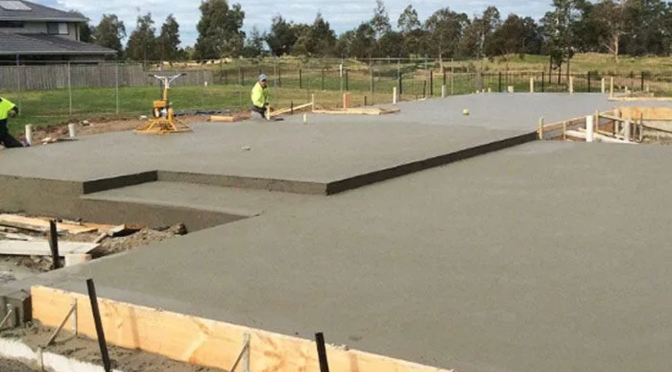
The Homeowner’s Guide to Concrete Slabs: Why Professionals Matter

Concrete slabs form the foundation of countless homes today. They provide structural support, durability, and longevity. Understanding their importance helps you make informed decisions. Professional installation ensures your investment remains solid for decades.

What Are Concrete Slabs and Why Do They Matter?

A concrete slab is a flat, horizontal surface of reinforced concrete. These structures support your entire home’s weight and contents. They protect against moisture, pests, and ground settling issues. Proper installation affects your home’s value and safety significantly.

Key Benefits of Quality Concrete Slabs

  • Durability: Well-installed slabs last fifty years or longer.
  • Cost-Effectiveness: They’re more affordable than traditional foundations.
  • Moisture Protection: Concrete prevents water damage and mould growth.
  • Stability: Proper slabs minimise foundation movement and cracks.

Concrete house slabs installed by Falcon Concrete Services for durable residential foundations

Why Professional Installation Matters

Structural Integrity

Concrete house slabs in Marsfield require expert assessment of soil conditions. Professionals evaluate ground stability before pouring. They ensure proper drainage systems are in place. This prevents costly damage over time.

Expertise and Knowledge

Qualified installers understand building codes and regulations thoroughly. They know the proper reinforcement requirements for your region. Professionals use correct concrete mixes for durability. Their experience prevents common mistakes homeowners make.

Equipment and Tools

Professional teams have specialised machinery for installation. They ensure consistent thickness across the entire surface. Quality equipment produces superior finishes and longevity. This investment in proper tools saves you money.

The Installation Process

House concrete slab construction in Parramatta involves several critical steps. First, professionals prepare the ground correctly. They install proper drainage and moisture barriers. Next, they set up reinforcement frameworks carefully.

Steps Professional Contractors Follow

  1. Site evaluation and soil testing
  2. Ground preparation and compaction
  3. Placement of moisture barriers
  4. Reinforcement installation
  5. Concrete pouring and finishing
  6. Curing and quality inspection

Common Issues Homeowners Face

Improper installation leads to numerous problems over time. Cracks develop when concrete isn’t poured correctly. Uneven settling causes structural concerns and door issues. Foundation failure becomes expensive when ignored initially.

Concrete house slab installation in Blacktown by experienced professionals prevents these issues. They understand climate considerations and soil challenges. Professionals implement solutions before problems emerge.

Cost Considerations

Professional installation may seem expensive initially. However, it saves thousands in repairs later. Poor installations cost significantly more to fix. Quality work protects your home’s resale value effectively.

Concrete house slab contractors in Penrith provide transparent pricing for services. They explain what your investment includes. Avoiding professionals creates hidden costs over the years. Budget for quality installation rather than cheap alternatives.

Choosing the Right Professional

Important Qualities to Seek

  • Licensed and insured contractors with credentials
  • Years of experience in foundation work
  • Positive customer reviews and references
  • Clear communication about timelines and costs
  • Written contracts with warranty information

House concrete slab services in Castle Hill should include ongoing support. Ask about warranties for your peace of mind. Professionals stand behind their completed work confidently.

Conclusion

Your home’s concrete slab is fundamental to everything above it. Professional installation ensures decades of reliable performance. Quality work protects your investment and family safety. Don’t compromise on this critical foundation element.

Ready to Protect Your Home’s Foundation?

Contact Falcon Concrete Services today for expert concrete slab solutions. Call 0431 694 777 or 0422 261 917. Email your questions to info@falconconcrete.com.au. Visit https://www.falconconcrete.com.au/ for more information. Let professionals handle your foundation concerns properly.

Frequently Asked Questions

1. How long do concrete slabs typically last?

Quality concrete slabs can last 50–100 years with proper maintenance. Poor installation may require repairs within 10–15 years.

2. What causes cracks in concrete slabs?

Cracks result from improper pouring, inadequate reinforcement, or ground settling. Professional installation and maintenance prevent most cracking issues.

3. Can I install a concrete slab myself?

DIY installation often leads to costly mistakes and structural problems. Professional contractors have equipment, expertise, and insurance coverage.

4. What’s the difference between concrete slabs and other foundations?

Slabs are cost-effective and moisture-resistant foundations that sit directly on the ground. Traditional foundations use deeper footings below frost lines.

5. How much does professional concrete slab installation cost?

Costs vary based on size, location, and soil conditions. Professional contractors provide accurate quotes after a site assessment.

6. What maintenance do concrete slabs require?

Regular sealing, crack monitoring, and drainage maintenance extend slab life. Professional inspections identify potential issues early.

7. Are concrete slabs suitable for all climates?

Professionals design slabs for specific climate conditions and soil types. Proper installation ensures performance in any environment.

8. How long does concrete slab installation take?

Most projects take one to two weeks from start to finish. Curing time requires patience before using the finished surface.

9. What should I do if my slab develops cracks?

Have professionals inspect cracks to determine severity and cause. Early repairs prevent water damage and structural deterioration.

10. Do concrete slabs require permits and inspections?

Building codes require permits and inspections in most areas. Professional contractors handle all regulatory requirements automatically.