Site Preparation Checklist For Concrete Projects

A stunning finish starts long before the concrete is poured. Proper site prep determines whether your decorative concrete driveways in Sydney project lasts decades or cracks within a year.

Here’s the exact checklist trusted decorative concrete contractors in Sydney use before every pour.

Why Does Site Preparation Matter So Much?

Poor site prep is the leading cause of cracking, pooling water, and uneven concrete finishes in Sydney. Getting the groundwork right protects your investment and guarantees a smoother, longer-lasting surface.

Step 1: Site Assessment and Soil Testing

Before any decorative concrete installation in Sydney begins, the ground itself needs checking.

  • Test soil type (clay, sand, or loam) for stability
  • Check for reactive soils common across Sydney suburbs
  • Identify drainage patterns and water table depth
  • Mark existing underground services (gas, water, electrical)

Soil testing prevents future subsidence and cracking, especially important for Sydney’s variable clay-heavy soils.

Step 2: Clearing and Excavation

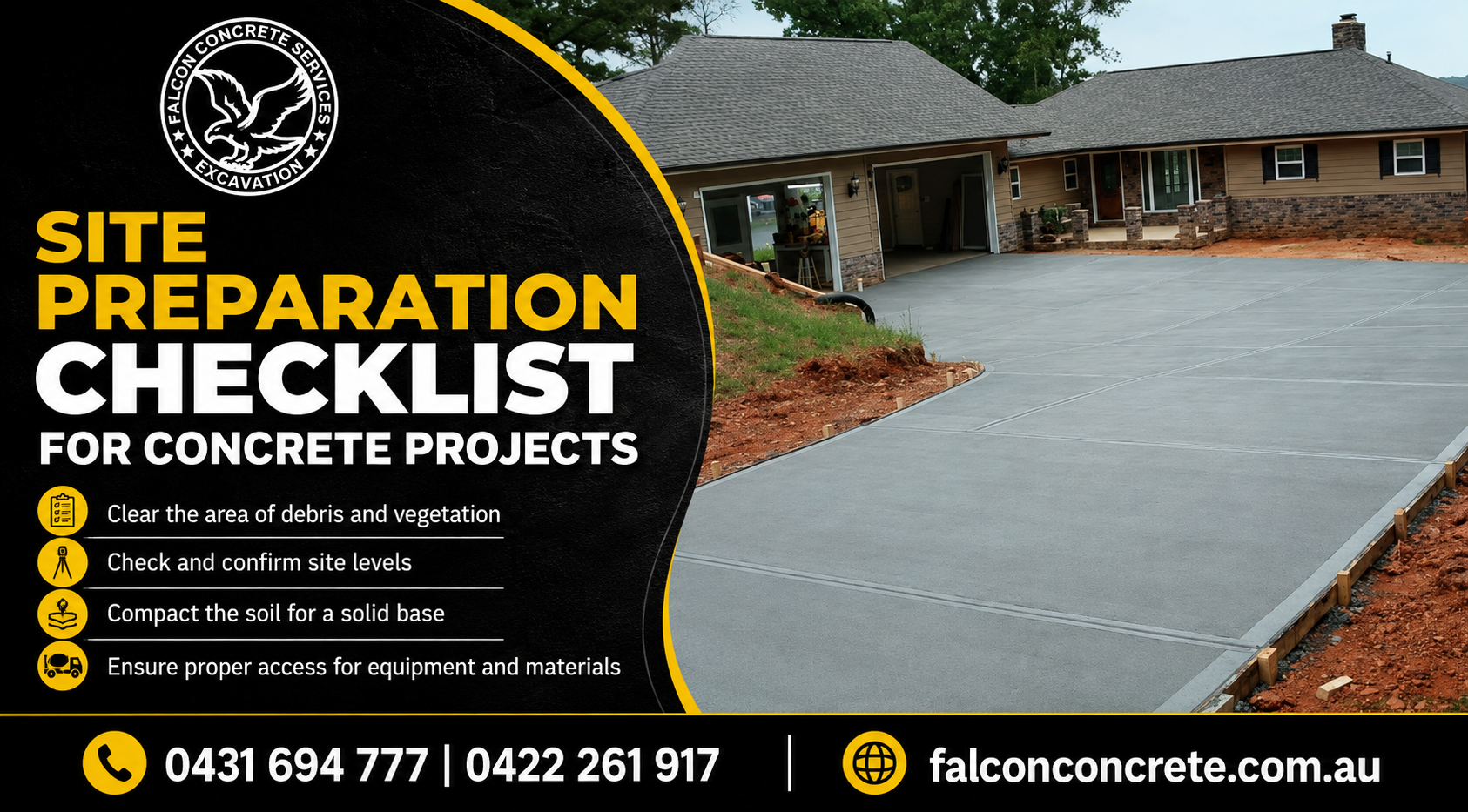
The site must be cleared of vegetation, debris, and old concrete before excavation begins.

  1. Remove grass, roots, and topsoil
  2. Excavate to the correct depth (typically 100–150mm for driveways)
  3. Dispose of spoil responsibly
  4. Level the base using a laser level or string line

This step is critical for both residential decorative concrete driveways in Sydney and commercial decorative concrete Sydney projects, where uneven excavation leads to pooling and premature wear.

Step 3: Base Preparation and Compaction

A well-compacted base is the single biggest factor in preventing cracks and sinking.

Base Layer Purpose Typical Depth
Crushed rock/road base Load-bearing support 75–100mm
Sand bedding Even surface for formwork 25–50mm
Compaction Prevents settling Compacted to 95%+ density

Professional concrete overlays in Sydney and resurfacing jobs also require this base check if the existing slab shows movement.

Step 4: Formwork and Edge Restraints

Formwork shapes the pour and holds patterned concrete in Sydney designs in place while curing.

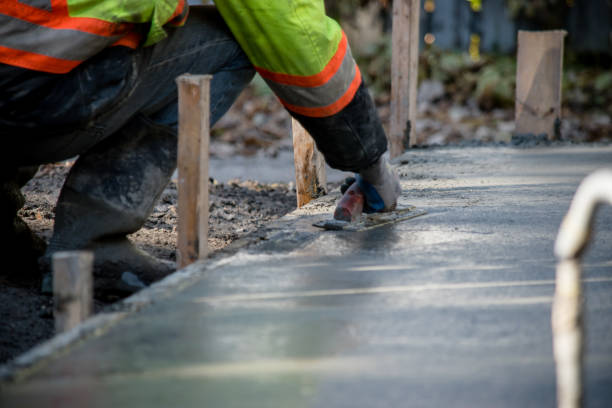
  • Use straight, level timber or steel forms
  • Secure edges with stakes every 600–900mm
  • Double-check measurements against the design plan
  • Allow for expansion joints at correct intervals

Step 5: Drainage Planning

Calculating the gradient for ground work is crucial. Concrete must fall away from structures at a minimum 1:100 gradient to prevent water damage.

  • Slope driveways and pathways away from the home
  • Install stormwater drainage points where required
  • Avoid low spots that trap water and stain decorative finishes

Step 6: Weather and Timing Considerations

Sydney’s unpredictable weather can affect curing time and finish quality.

  • Avoid pouring during heavy rain or extreme heat
  • Plan around forecast wind, which speeds up surface drying
  • Schedule concrete sealing Sydney only after full cure (usually 28 days)

Step 7: Reinforcement and Mix Selection

  • Add steel mesh or fibre reinforcement for structural strength
  • Choose the right mix design for decorative concrete resurfacing or fresh pours
  • Confirm additives for colour, texture, or concrete polishing Sydney compatibility with the base mix

What Happens If Site Prep Is Skipped?

Skipping proper preparation leads to cracking, uneven settling, water pooling, and a finish that fails well before its expected lifespan.

Choosing the Right Team for the Job

Experienced decorative concrete contractors in Sydney manage soil testing, drainage, compaction, and finish selection as one coordinated process. Whether it’s decorative concrete resurfacing or polished commercial floors, prep work separates a five-year fix from a twenty-year investment.

Ready to Start Your Project the Right Way?

Don’t risk cracks, pooling, or a finish that fades fast. Talk to Sydney’s trusted decorative concrete contractors in Sydney like Falcon Concrete Services for a free site assessment and quote — from premium finishes, we get the groundwork right the first time. Call now or request your free quote online.

Frequently Asked Questions

1. How long should site prep take before pouring decorative concrete?

Most residential sites need 1–3 days for clearing, excavation, and base compaction before pouring.

2. Can decorative concrete be installed over an old driveway?

Yes, through concrete overlays in Sydney or resurfacing, provided the existing slab is structurally sound.

3. What soil types cause the most problems in Sydney?

Reactive clay soils are the biggest concern, as they expand and contract with moisture changes.

4. How soon can I seal new decorative concrete?

Sealing should generally wait until the concrete has fully cured, around 28 days after pouring.

5. Do I need council approval for a new decorative driveway?

Many Sydney councils require approval for driveway crossovers, so it’s worth checking before work begins.

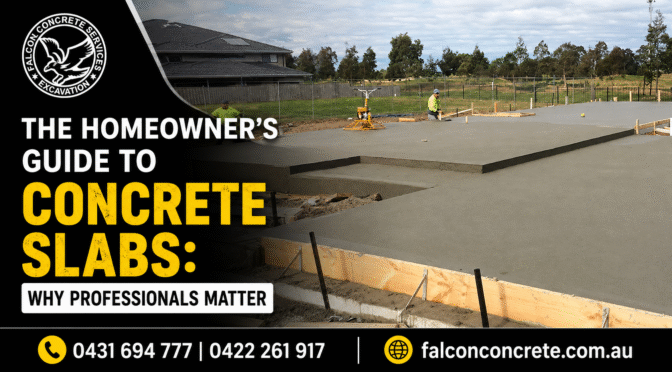
The Homeowner’s Guide to Concrete Slabs: Why Professionals Matter

Concrete slabs form the foundation of countless homes today. They provide structural support, durability, and longevity. Understanding their importance helps you make informed decisions. Professional installation ensures your investment remains solid for decades.

What Are Concrete Slabs and Why Do They Matter?

A concrete slab is a flat, horizontal surface of reinforced concrete. These structures support your entire home’s weight and contents. They protect against moisture, pests, and ground settling issues. Proper installation affects your home’s value and safety significantly.

Key Benefits of Quality Concrete Slabs

  • Durability: Well-installed slabs last fifty years or longer.
  • Cost-Effectiveness: They’re more affordable than traditional foundations.
  • Moisture Protection: Concrete prevents water damage and mould growth.
  • Stability: Proper slabs minimise foundation movement and cracks.

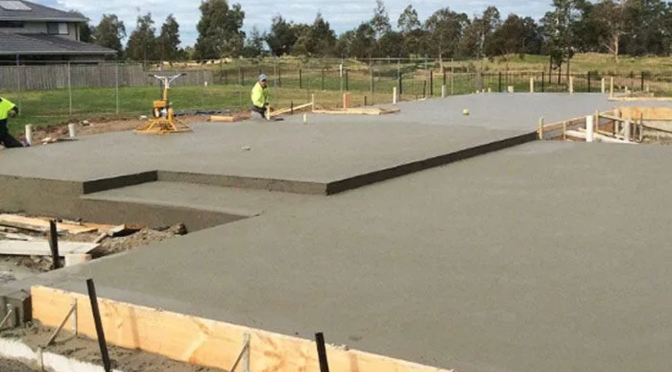
Concrete house slabs installed by Falcon Concrete Services for durable residential foundations

Why Professional Installation Matters

Structural Integrity

Concrete house slabs in Marsfield require expert assessment of soil conditions. Professionals evaluate ground stability before pouring. They ensure proper drainage systems are in place. This prevents costly damage over time.

Expertise and Knowledge

Qualified installers understand building codes and regulations thoroughly. They know the proper reinforcement requirements for your region. Professionals use correct concrete mixes for durability. Their experience prevents common mistakes homeowners make.

Equipment and Tools

Professional teams have specialised machinery for installation. They ensure consistent thickness across the entire surface. Quality equipment produces superior finishes and longevity. This investment in proper tools saves you money.

The Installation Process

House concrete slab construction in Parramatta involves several critical steps. First, professionals prepare the ground correctly. They install proper drainage and moisture barriers. Next, they set up reinforcement frameworks carefully.

Steps Professional Contractors Follow

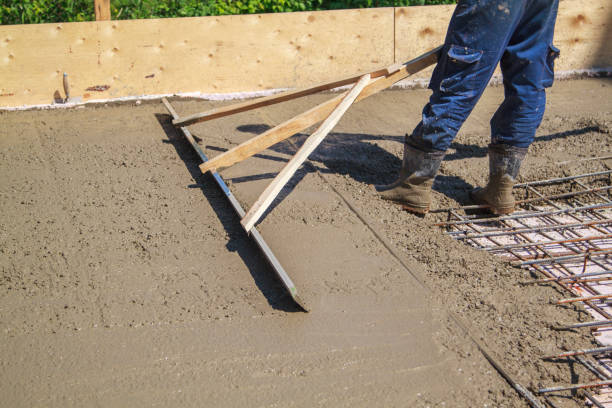
  1. Site evaluation and soil testing
  2. Ground preparation and compaction
  3. Placement of moisture barriers
  4. Reinforcement installation
  5. Concrete pouring and finishing
  6. Curing and quality inspection

Common Issues Homeowners Face

Improper installation leads to numerous problems over time. Cracks develop when concrete isn’t poured correctly. Uneven settling causes structural concerns and door issues. Foundation failure becomes expensive when ignored initially.

Concrete house slab installation in Blacktown by experienced professionals prevents these issues. They understand climate considerations and soil challenges. Professionals implement solutions before problems emerge.

Cost Considerations

Professional installation may seem expensive initially. However, it saves thousands in repairs later. Poor installations cost significantly more to fix. Quality work protects your home’s resale value effectively.

Concrete house slab contractors in Penrith provide transparent pricing for services. They explain what your investment includes. Avoiding professionals creates hidden costs over the years. Budget for quality installation rather than cheap alternatives.

Choosing the Right Professional

Important Qualities to Seek

  • Licensed and insured contractors with credentials
  • Years of experience in foundation work
  • Positive customer reviews and references
  • Clear communication about timelines and costs
  • Written contracts with warranty information

House concrete slab services in Castle Hill should include ongoing support. Ask about warranties for your peace of mind. Professionals stand behind their completed work confidently.

Conclusion

Your home’s concrete slab is fundamental to everything above it. Professional installation ensures decades of reliable performance. Quality work protects your investment and family safety. Don’t compromise on this critical foundation element.

Ready to Protect Your Home’s Foundation?

Contact Falcon Concrete Services today for expert concrete slab solutions. Call 0431 694 777 or 0422 261 917. Email your questions to info@falconconcrete.com.au. Visit https://www.falconconcrete.com.au/ for more information. Let professionals handle your foundation concerns properly.

Frequently Asked Questions

1. How long do concrete slabs typically last?

Quality concrete slabs can last 50–100 years with proper maintenance. Poor installation may require repairs within 10–15 years.

2. What causes cracks in concrete slabs?

Cracks result from improper pouring, inadequate reinforcement, or ground settling. Professional installation and maintenance prevent most cracking issues.

3. Can I install a concrete slab myself?

DIY installation often leads to costly mistakes and structural problems. Professional contractors have equipment, expertise, and insurance coverage.

4. What’s the difference between concrete slabs and other foundations?

Slabs are cost-effective and moisture-resistant foundations that sit directly on the ground. Traditional foundations use deeper footings below frost lines.

5. How much does professional concrete slab installation cost?

Costs vary based on size, location, and soil conditions. Professional contractors provide accurate quotes after a site assessment.

6. What maintenance do concrete slabs require?

Regular sealing, crack monitoring, and drainage maintenance extend slab life. Professional inspections identify potential issues early.

7. Are concrete slabs suitable for all climates?

Professionals design slabs for specific climate conditions and soil types. Proper installation ensures performance in any environment.

8. How long does concrete slab installation take?

Most projects take one to two weeks from start to finish. Curing time requires patience before using the finished surface.

9. What should I do if my slab develops cracks?

Have professionals inspect cracks to determine severity and cause. Early repairs prevent water damage and structural deterioration.

10. Do concrete slabs require permits and inspections?

Building codes require permits and inspections in most areas. Professional contractors handle all regulatory requirements automatically.